The era of passive, complaint-led employment regulation in the United Kingdom has come to an end. With the establishment of the Fair Work Agency (FWA), the state has deployed an aggressive, proactive enforcement engine designed to audit corporate record-keeping without requiring a formal employee tribunal claim.
For leadership teams, this is not only an HR update. For organisations still relying on fragmented HR tools, legacy spreadsheets, or static PDF policy updates, this transition presents an existential operational risk. Inaction is no longer a cost-free choice—it is a direct threat to your bottom line, your governance posture, and your market reputation.

For decades, HR teams treated compliance as a reactive exercise: respond when someone complains, patch the process, and move on. That model is no longer viable. The Employment Rights Act reforms and the FWA’s expanded powers mean regulators can inspect your organisation on their timetable—not yours.
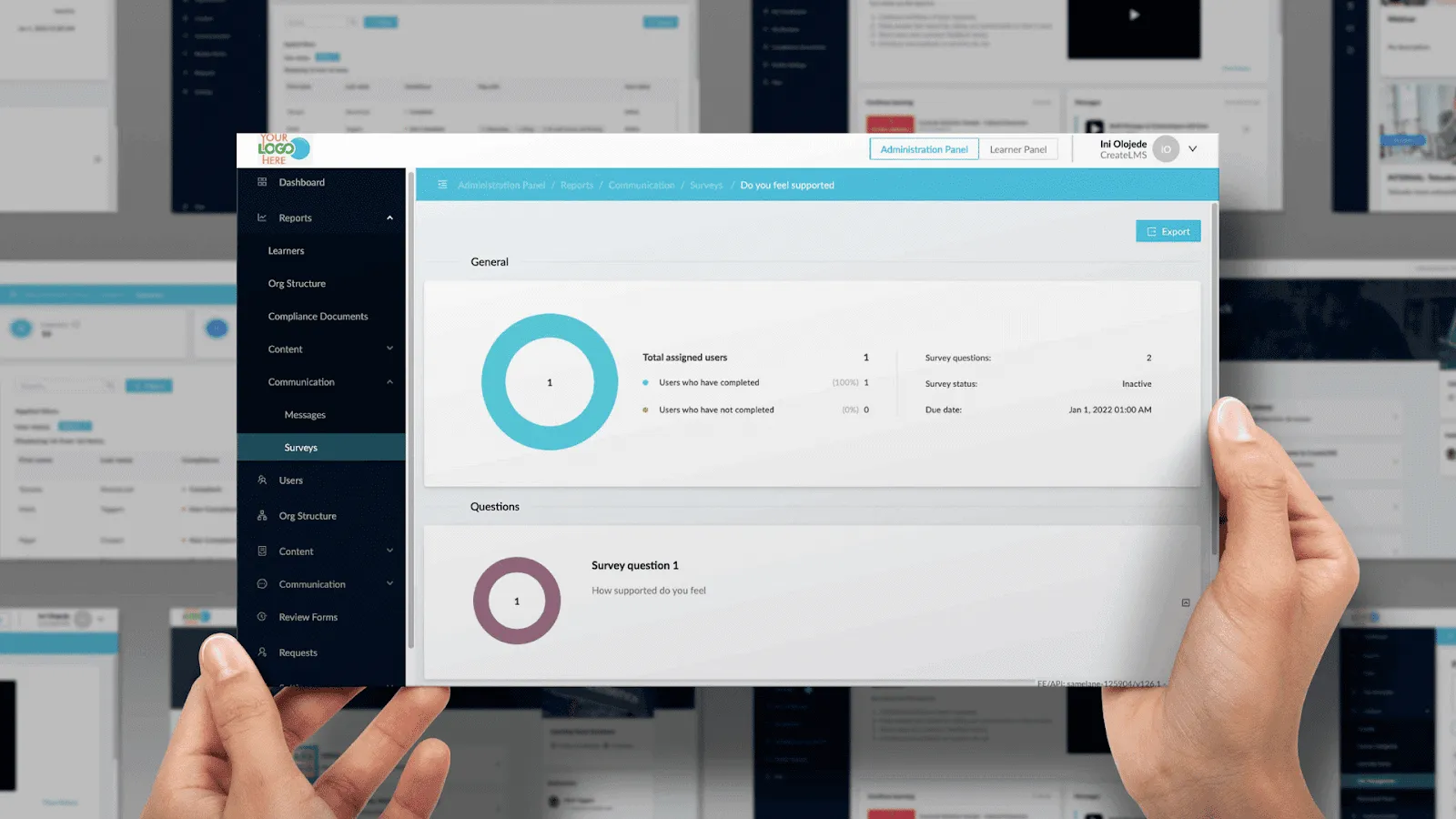
If your evidence still lives in disconnected spreadsheets, shared drives, and email threads, you are carrying structural risk. Auditors do not reward good intentions. They reward complete, consistent, and retrievable records. Below is a multi-role Employment Rights Act compliance checklist designed to help UK employers transition toward automated, audit-ready infrastructure using CreateLMS compliance training workflows.
C-Suite Alignment: What Keeps the Board Up at Night in 2026
The Employment Rights Act updates are not just an HR issue; they represent a fundamental shift in corporate governance and operational risk. Each executive role views this transition through a distinct lens of operational vulnerability—and each needs a shared view of readiness, not a siloed spreadsheet.
Brand equity and market valuation are at stake. A single public enforcement notice from the FWA can destroy investor confidence and decimate employer brand. Compliance must be systemic, invisible, and absolute.
The reduction of the unfair dismissal buffer to six months threatens operational gridlock. If onboarding and competency validation are not automated and data-backed by day 90, leadership misses the window to address low performance—while October 2026 third-party harassment duties add friction if handled manually.
Under Regulation 16B of the Working Time Regulations, failing to retain robust digital holiday and annual leave records for six years carries serious fine exposure. Add FWA Notices of Underpayment with penalties up to £20,000 per worker, and spreadsheet tracking becomes an unacceptable liability.
Between day-one Statutory Sick Pay tracking, evolving contract frameworks, and constant policy rollouts, HR teams cannot scale through manual administration. What is needed is automated infrastructure that acts as a defensible compliance mechanism—not another advisory layer.
When leadership teams align on these priorities, compliance stops being a back-office burden and becomes a board-level control—one that protects valuation, accelerates operations, and reduces the probability of regulatory surprise.
The Cost of Inaction: Breaking the Status Quo
Many corporate boards still treat these updates as routine HR changes that can be managed incrementally. That misjudges the scope of the new enforcement environment. Under Section 35 of the Act, employers must preserve comprehensive, time-stamped digital records of holiday calculations, annual leave patterns, and Statutory Sick Pay allocations for six years. The FWA can enter premises, inspect digital files, and issue underpayment notices backdated across the full lookback window.
Under FWA scrutiny, incomplete records trigger remediation orders, civil penalties, and reputational damage that far exceed the cost of modernising your compliance stack.
Manual workflows
- Scattered local spreadsheets
- Vulnerable to £20,000 FWA fines
- High operational friction
Automated systems
- Centralized digital audit trail
- Protected by automated validation
- Frictionless C-suite visibility

Relying on manual verification means a single administrative error can trigger severe financial and reputational penalties. True business protection requires moving away from reactive tracking and embracing structural, system-wide automation. The shift from manual to automated is not a technology vanity project—it is the difference between explaining gaps under regulatory pressure and presenting a coherent, time-stamped evidence chain on demand.
The Core Forces of Modern Compliance Architecture
To navigate this landscape, your business must align operational, financial, and cultural drivers into a single cohesive framework. Organisations that treat these as separate programmes typically fail audits. Those that integrate them into one system of record tend to pass—with less disruption and lower cost.
Functional Drivers: Operational Velocity
Statutory Sick Pay is now a day-one right, with the lower earnings limit abolished and a new lower-earning tier in play. From October 2026, the statutory window for tribunal claims extends from three months to six months, and employers inherit a strict duty to protect staff from third-party harassment by customers or clients. Managing these time-sensitive processes requires an enterprise-grade mandatory compliance training platform embedded in everyday workflows—replacing chase emails with automated assignments, acknowledgements, and completion tracking.
Financial and Emotional Drivers: Peace of Mind
CFOs and HR directors carry the weight of six-year record retention, underpayment exposure, and penalty risk. Consolidating compliance data within a CreateLMS platform gives leadership a single view of regulatory status across departments—converting background anxiety into verifiable, defensible evidence when auditors request documentation.
Reputation and Social Drivers: Market Authority
In today’s corporate ecosystem, compliance transparency is an asset. Failing an FWA inspection risks public disclosures that undermine client relationships and hinder recruitment. Deploying structured compliance architecture demonstrates to stakeholders, insurers, and clients that your business prioritises operational resilience and risk management—not reactive paperwork.
The Fair Work Agency Audit Checklist for Employers
Protect your organisation against upcoming enforcement phases by mapping your workflows against this verified checklist. Work through each phase in order; gaps in Phase 1 undermine everything that follows.
Phase 1: Six-Year Holiday and SSP Audit Readiness
The mandate: Maintain precise, unalterable digital records of annual leave history, average holiday pay weights, and day-one SSP allocations for six years, accessible under Regulation 16B of the Working Time Regulations.
- Confirm a single source of truth for holiday entitlements, accruals, and pay calculations across all sites and contracts.
- Archive SSP records with employee identifiers, payment dates, and qualifying periods in a format suitable for regulatory export.
- Transition away from manual tracking; host, log, and immutably track attendance and policy changes in a central system.
- Validate that historical data is complete—no gaps for leavers, agency workers, or part-year employees.
- Test retrieval: can your team produce a six-year record set for a named employee within one business day?
- Document who owns data integrity and how corrections are logged and approved.
Phase 2: The All Reasonable Steps Harassment Shield
The mandate: Proactively protect workers from third-party harassment by clients, suppliers, or customers. Written policies alone are insufficient to establish a legal defence at tribunal—and training records must prove comprehension, not just attendance.
- Deploy updated anti-harassment and dignity-at-work policies to the full workforce with tracked acknowledgement.
- Automate targeted anti-harassment pathways to 100% of the workforce with comprehension assessments and scored results.
- Capture digital signatures or equivalent attestations with timestamps for every mandatory module.
- Re-enrol new hires and role-changers automatically; do not rely on managers to remember manual assignments.
- Maintain an unalterable audit log showing module execution, comprehension testing, and policy sign-offs per employee.
Phase 3: The 6-Month Probation Competency Audit
The mandate: The qualifying period for ordinary unfair dismissal protection drops from two years to six months (from January 2027). Probation is now a critical legal and operational window—not an informal settling-in period.
- Define competency criteria for each role before probation begins—not midway through.
- Establish strict 90-day learning and performance tracks for incoming personnel aligned to probation milestones.
- Record manager observations, review outcomes, and any extensions or terminations with clear rationale.
- Link probation completion data to HR systems so leavers and confirmations trigger the correct compliance workflows.
- Review a sample of probation files quarterly to ensure consistency across departments and locations.
Secure Your Organization's Operational Future
The current regulatory landscape rewards systematic visibility and penalises organisational drift. The organisations that will navigate the 2026 compliance shockwave successfully are not those with the most policies on paper—they are the ones with integrated systems that produce evidence on demand: holiday and SSP records, harassment prevention proof, and probation competency documentation in one coherent architecture.
Spreadsheets were never designed to carry six years of regulatory liability. By implementing automated training and compliance workflows through CreateLMS, you insulate your bottom line, reduce corporate vulnerability, and protect your workforce before the next statutory deadline.
Do not wait for an inspection to identify gaps. Start with an honest gap analysis against the three phases above, prioritise areas where manual processes create the highest penalty exposure, and invest in automation that your HR, legal, and finance teams can trust when the audit request lands.
This article is for general information only and should not be treated as legal advice. Employers should seek advice from a qualified employment law professional before making policy or compliance decisions.
Concerned about FWA readiness?
If the Fair Work Agency changes are a concern for your organization, speak to one of our experts about the technologies, workflows, and compliance automation solutions that can help you prepare.